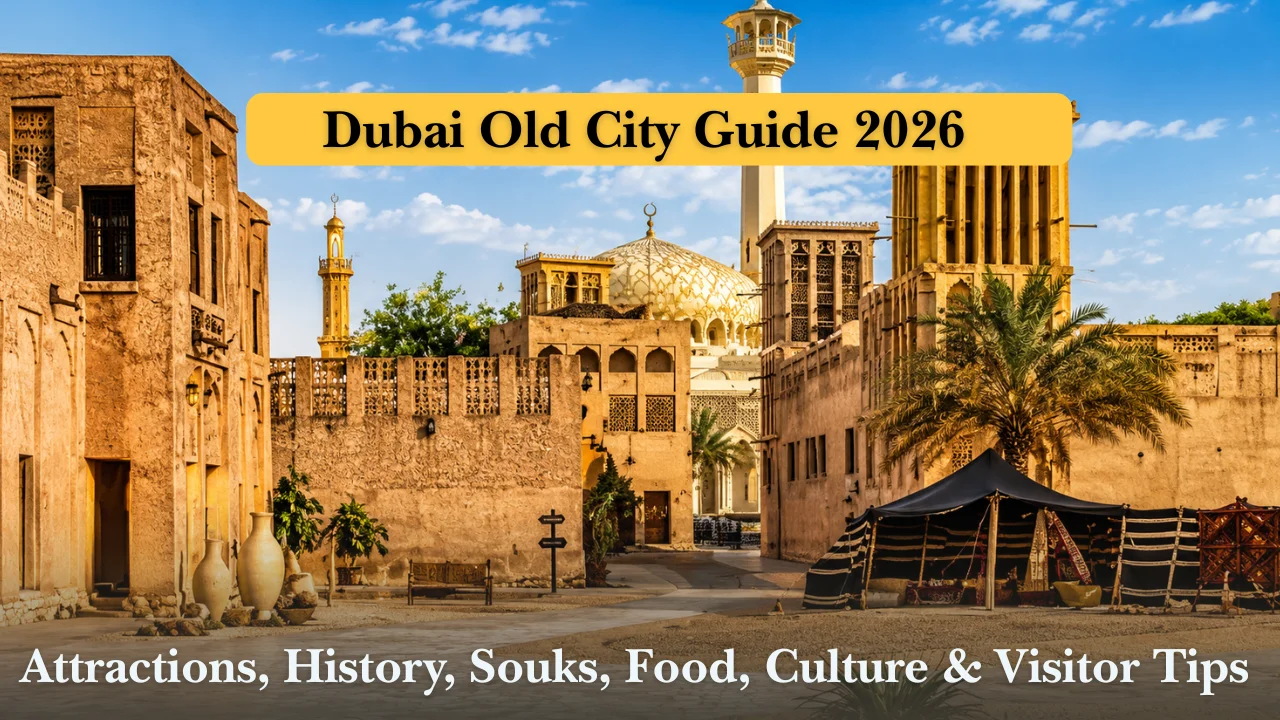
Dubai is often associated with modern skyscrapers, luxury shopping centres, and world-famous attractions.
Today, Dubai Old City remains one of the most fascinating areas in the emirate, offering visitors a chance to experience the city’s heritage, traditional markets, historic buildings, and cultural landmarks.
Whether you are planning a Dubai old city tour, searching for a Dubai old city map, or comparing the old city with modern Dubai, Dubai brief covers everything you need to know for 2026.
Overview of Dubai Old City
Dubai Old City refers to the historic districts surrounding Dubai Creek, including Al Fahidi Historical Neighbourhood, Bur Dubai, Deira, and nearby heritage areas. These districts preserve many aspects of traditional Emirati life and showcase the city’s development before the discovery of oil.
Unlike the modern side of Dubai, Old Dubai offers narrow alleyways, traditional wind-tower architecture, bustling souks, heritage museums, and authentic cultural experiences.
Why Dubai Old City Is Important to UAE Heritage
Dubai Old City plays a major role in preserving the UAE’s cultural identity. It highlights the traditions, architecture, trade routes, and lifestyle that shaped the region for generations.
Key reasons for its importance include:
- Preservation of traditional Emirati architecture
- Protection of historical buildings and landmarks
- Cultural education for residents and visitors
- Heritage museums and cultural centres
- Traditional markets that reflect historic trade activities
Many educational programmes and restoration projects continue to maintain the area’s historical significance for future generations.
Also Read: Sonapur Dubai Area Guide 2026
History of Dubai Old City
The story of Dubai began long before the construction of its famous skyline. The city’s historic districts provide insight into how a small settlement became one of the world’s most recognised destinations.
Early Trading and Fishing Settlement
Dubai’s origins date back centuries when local communities relied on fishing, pearl diving, and trading for their livelihood.
The area’s strategic position along the Arabian Gulf allowed merchants to trade goods between Asia, Africa, and the Middle East. Dubai Creek became the centre of commercial activity, attracting traders from neighbouring regions.
Traditional wooden boats carried goods such as:
- Pearls
- Textiles
- Spices
- Dates
- Precious metals
These trading activities laid the foundation for Dubai’s future economic success.
Transformation From Historic District to Cultural Landmark
As Dubai expanded rapidly during the late twentieth century, many heritage areas faced redevelopment pressures. Authorities recognised the need to preserve the city’s history and began restoration efforts.
Historic neighbourhoods were renovated while maintaining their original character. Museums, cultural centres, and heritage attractions were established to educate visitors about Dubai’s past.
Today, Old Dubai serves as a living museum where visitors can walk through restored streets and experience authentic Emirati heritage.
Dubai Old City Location and How to Get There
Old Dubai is located around Dubai Creek, mainly within the Bur Dubai and Deira districts.
Many popular attractions are situated within walking distance of each other, making the area convenient to explore on foot.
Where Dubai Old City Is Located
The main historic districts include:
- Al Fahidi Historical Neighbourhood
- Bur Dubai
- Dubai Creek
- Deira Souks
- Al Seef Heritage Area
Most tourist maps identify these areas as the core of Dubai Old City.
If you are using a Dubai old city map, Dubai Creek is usually the easiest landmark to use as a reference point.
Reaching Dubai Old City by Dubai Metro
The Dubai Metro is one of the easiest and most affordable ways to reach Old Dubai.
Popular nearby stations include:
- Al Fahidi Metro Station
- BurJuman Metro Station
- Al Ras Metro Station
- Gold Souq Metro Station
From these stations, many attractions can be reached within a short walk.
Reaching Dubai Old City by Bus
Dubai’s public bus network provides access to most heritage areas.
Benefits of travelling by bus include:
- Affordable fares
- Extensive route coverage
- Convenient connections
- Easy access to souks and museums
Visitors can use the Nol Card for bus and metro travel throughout Dubai.
Parking Facilities Near Major Attractions
For visitors arriving by car, parking facilities are available in several locations.
Common parking options include:
- Public parking zones
- Multi-storey car parks
- Shopping centre parking areas
- Paid street parking
Parking availability may be limited during weekends and public holidays.
Accessibility for Families, Seniors and Visitors with Disabilities
Many heritage attractions have improved accessibility features.
These may include:
- Wheelchair-friendly pathways
- Accessible entrances
- Rest areas
- Visitor assistance services
- Family-friendly facilities
However, some older historic buildings may have limited accessibility due to preservation requirements.
Also Read: Keerthi Restaurant Qusais Dubai
Top Attractions in Dubai Old City
Dubai Old City contains some of the emirate’s most historically significant attractions.
Al Fahidi Historical Neighbourhood
Al Fahidi Historical Neighbourhood is one of the best-preserved heritage districts in Dubai.
Visitors can see:
- Traditional wind towers
- Historic courtyards
- Art galleries
- Museums
- Cultural centres
The area provides an authentic glimpse into life before Dubai’s modern development.
Dubai Museum and Al Fahidi Fort
Al Fahidi Fort is one of Dubai’s oldest surviving structures.
The museum showcases:
- Traditional Emirati life
- Historical artefacts
- Maritime history
- Pearl diving culture
- Archaeological discoveries
It remains one of the most important cultural attractions in the city.
Dubai Creek
Dubai Creek has been the heart of Dubai’s economy for centuries.
The waterfront remains active today and offers:
- Traditional boat rides
- Historic trading views
- Photography opportunities
- Dining experiences
- Cultural attractions
Traditional Abra Crossings
Traditional abras are small wooden boats that transport passengers across Dubai Creek. They remain one of the most affordable and memorable experiences in Old Dubai.
Dubai Frame Views of Old and New Dubai
Dubai Frame provides panoramic views that clearly illustrate the contrast between historical and modern Dubai.
It is an excellent attraction for understanding how the city has evolved.
Heritage Houses and Wind Towers
Traditional wind-tower architecture was designed to provide natural cooling before air conditioning existed.
Visitors can learn about:
- Traditional construction methods
- Sustainable cooling techniques
- Emirati family life
- Historic architecture
Cultural and Historical Exhibitions
Several heritage centres host exhibitions throughout the year.
Topics often include:
- UAE history
- Local traditions
- Trade routes
- Maritime heritage
- Traditional crafts
Best Things to Do in Dubai Old City
There are many ways to experience the culture and history of Old City Dubai.
Walk Through Historic Lanes and Courtyards
Walking is one of the best ways to appreciate the atmosphere of Old Dubai.
Visitors can enjoy:
- Quiet alleyways
- Traditional architecture
- Heritage homes
- Local art displays
- Historic landmarks
Take a Traditional Abra Ride
An abra ride across Dubai Creek offers a unique perspective of the city.
The journey is short but provides excellent views of:
- Historic waterfront areas
- Traditional trading activity
- Souks and markets
- Heritage buildings
Explore Heritage Museums
Museums throughout Old Dubai help visitors understand the city’s history and traditions.
Topics commonly covered include:
- Pearl diving
- Fishing communities
- Trade routes
- Traditional lifestyles
- Archaeology
Visit Art Galleries and Cultural Centres
Old Dubai is home to numerous creative spaces featuring:
- Contemporary art
- Local artists
- Cultural exhibitions
- Photography collections
- Educational workshops
Join a Guided Old Dubai Walking Tour
A guided Dubai old city tour can provide valuable insights into local history and culture.
Benefits include:
- Historical explanations
- Hidden landmarks
- Local knowledge
- Cultural context
- Efficient sightseeing
Experience Local Markets and Street Shopping
The traditional markets remain among the most popular attractions in Old Dubai.
Visitors can browse:
- Gold jewellery
- Textiles
- Spices
- Perfumes
- Souvenirs
Enjoy Creekside Dining and Views
Restaurants along Dubai Creek provide pleasant views and traditional dining experiences.
Many visitors choose waterfront dining to relax after a day of sightseeing.
Attend Cultural Workshops and Events
Some cultural centres offer activities such as:
- Arabic calligraphy
- Traditional crafts
- Emirati cooking demonstrations
- Heritage presentations
Discover Traditional Emirati Customs
Old Dubai offers opportunities to learn about:
- Hospitality traditions
- Local customs
- Cultural etiquette
- Religious practices
- Family values
Exploring Dubai Creek
Dubai Creek remains one of the most important landmarks in the city’s history.
Historical Significance of Dubai Creek
Dubai Creek served as the centre of commerce long before modern ports and airports existed.
The waterway helped establish Dubai as a major trading destination and contributed significantly to its economic growth.
Today, it remains an important cultural and tourism landmark.
Abra Ride Experience
The abra ride is often considered one of the most authentic experiences in Old Dubai.
Visitors can enjoy:
- Affordable transport across the creek
- Traditional wooden boats
- Scenic waterfront views
- Access to both Bur Dubai and Deira
- Excellent photography opportunities
For many travellers, this simple journey becomes one of the most memorable parts of visiting Old Dubai.
Traditional Souks in Dubai Old City
The historic souks are among the most visited attractions in Old Dubai. These traditional markets have served traders and shoppers for generations.
Gold Souk
The Gold Souk is famous for its large collection of gold jewellery and precious metals.
Visitors can find:
- Gold necklaces
- Rings
- Bracelets
- Diamonds
- Custom jewellery
Spice Souk
The Spice Souk offers colourful displays of herbs, spices, and traditional ingredients.
Popular products include:
- Saffron
- Cardamom
- Cinnamon
- Dried fruits
- Herbal blends
Textile Souk
The Textile Souk is known for its wide variety of fabrics and clothing materials.
Shoppers can browse:
- Silk fabrics
- Cotton textiles
- Traditional garments
- Embroidered materials
- Handmade accessories
Perfume Souk
The Perfume Souk specialises in fragrances inspired by Middle Eastern traditions.
Common products include:
- Oud
- Bakhoor
- Attars
- Perfume oils
- Incense products
Traditional Market Experiences
Walking through the souks provides a unique cultural experience.
Visitors will encounter:
- Traditional bargaining
- Historic trading environments
- Local craftsmanship
- Friendly shopkeepers
- Authentic market atmosphere
What to Buy in Dubai Old City Souks
Gold and Jewellery
Dubai remains one of the world’s most recognised destinations for gold shopping.
Spices and Herbs
Traditional spices make excellent souvenirs and gifts.
Perfumes and Oud
Arabic fragrances remain among the most popular purchases for visitors.
Textiles and Fabrics
Colourful fabrics reflect the region’s long-standing textile trade traditions.
Handicrafts and Souvenirs
Handmade products offer memorable reminders of a visit to Old Dubai.
Also Read: Prepaid Card Enquiry UAE 2026
Museums and Cultural Attractions
Beyond the famous souks and creekside views, Dubai Old City is home to several museums and cultural sites that help visitors understand the emirate’s history, traditions, and daily life before modern development transformed the city.
These attractions are ideal for families, students, history enthusiasts, and tourists looking for a deeper cultural experience.
Coffee Museum
Coffee has long been an important part of Arab hospitality and social traditions. The Coffee Museum provides insight into the history of coffee production, preparation methods, and cultural practices across the Middle East and beyond.
Visitors can learn about:
- Traditional Arabic coffee-making techniques
- Historical coffee trade routes
- Antique coffee equipment
- Regional coffee customs
- Different coffee varieties
Many visitors also enjoy tasting traditional Arabic coffee served with dates.
Heritage and Archaeological Museums
Several heritage museums in Old Dubai showcase artefacts and exhibits that illustrate life in the UAE before the oil era.
Common displays include:
- Fishing equipment
- Pearl diving tools
- Traditional clothing
- Household items
- Archaeological discoveries
These museums help explain how local communities adapted to desert and coastal environments.
Cultural Understanding Centres
Cultural centres play an important role in promoting understanding between residents, tourists, and local communities.
Activities may include:
- Cultural presentations
- Guided heritage tours
- Traditional meals
- Question-and-answer sessions
- Educational workshops
These programmes provide valuable insights into Emirati customs, religion, and daily life.
Art Galleries and Creative Spaces
Old Dubai has become a popular destination for artists and creative professionals.
Visitors can find:
- Contemporary art exhibitions
- Photography displays
- Local artist studios
- Creative workshops
- Cultural events
Many galleries are located within restored heritage buildings, creating a unique blend of old and new.
Historic Homes and Courtyards
Several restored houses allow visitors to see how Emirati families lived in previous generations.
Features often include:
- Central courtyards
- Wind towers
- Traditional furnishings
- Family gathering areas
- Historic construction techniques
These buildings provide a realistic picture of life in Old Dubai before modern housing developments.
Food and Dining in Dubai Old City
Food is one of the highlights of visiting Old Dubai. The area’s restaurants, cafés, and tea houses offer a mix of Emirati flavours and regional dishes that reflect Dubai’s multicultural history.
Traditional Emirati Cuisine
Traditional Emirati food is known for its rich flavours and use of spices, rice, meat, seafood, and dates.
Many heritage restaurants serve authentic recipes passed down through generations.
Popular ingredients include:
- Rice
- Lamb
- Chicken
- Fish
- Dates
- Saffron
- Cardamom
Popular Local Dishes to Try
Visitors should consider trying several well-known Emirati dishes.
Popular options include:
- Machboos
- Harees
- Balaleet
- Thareed
- Luqaimat
- Madrooba
These dishes reflect the UAE’s culinary heritage and regional influences.
Arabic Coffee and Dates Experience
Arabic coffee remains a symbol of hospitality throughout the UAE.
Many cultural venues and traditional cafés serve:
- Arabic coffee
- Premium dates
- Traditional sweets
- Local snacks
This experience offers a simple but meaningful introduction to Emirati culture.
Traditional Cafés and Tea Houses
Old Dubai is home to numerous traditional cafés where visitors can relax after sightseeing.
Many establishments feature:
- Outdoor seating
- Courtyard settings
- Heritage architecture
- Traditional décor
- Authentic local refreshments
These locations are ideal for taking a break while enjoying the historic atmosphere.
Street Food Experiences
Street food remains popular throughout the historic districts.
Visitors can often find:
- Shawarma
- Fresh juices
- Grilled snacks
- Traditional pastries
- Regional sweets
Street food offers an affordable way to sample local flavours while walking through the city.
Waterfront Dining Options
Dubai Creek offers several dining venues with scenic waterfront views.
Benefits of creekside dining include:
- Traditional surroundings
- Views of passing abras
- Evening atmosphere
- Family-friendly environments
- Access to nearby attractions
Dining near the creek is particularly popular during cooler months.
Budget-Friendly Restaurants
Old Dubai offers many affordable dining options compared to some of the city’s newer districts.
Budget-conscious visitors can find:
- Local eateries
- Casual cafés
- Traditional food outlets
- Street food vendors
- Family-run restaurants
This makes Old Dubai an excellent destination for travellers seeking value for money.
Family-Friendly Dining Choices
Many restaurants in Old Dubai cater to families.
Features often include:
- Large seating areas
- Children’s menu options
- Traditional and international dishes
- Comfortable environments
- Easy access to nearby attractions
Families can easily combine dining with sightseeing throughout the area.
Shopping Guide for Dubai Old City
Shopping remains one of the main reasons visitors include Old Dubai in their travel plans. Unlike modern shopping centres, the area’s traditional markets offer a more authentic retail experience.
- Best markets for traditional goods include the Gold Souk, Spice Souk, Textile Souk, and Perfume Souk.
- Compare prices between different shops before making larger purchases.
- Bargaining is common in many traditional markets and can often result in better prices.
- Look for authentic handicrafts, Arabic perfumes, spices, dates, textiles, and locally inspired souvenirs.
- Luxury shopping focuses on gold, precious stones, and premium fragrances, while traditional shopping offers handmade products and cultural items.
- Request receipts for valuable purchases, especially jewellery and precious metals.
- Verify product quality before finalising purchases.
- Carry both cash and cards, as payment options vary between vendors.
Cultural Experiences in Dubai Old City
Old Dubai provides opportunities to experience Emirati culture in ways that are difficult to find elsewhere in the city.
Emirati Traditions and Customs
The traditions of the UAE continue to influence daily life across the country.
Visitors can learn about:
- Family values
- Hospitality customs
- Traditional celebrations
- Social etiquette
- Community relationships
Understanding these traditions helps visitors appreciate the country’s cultural heritage.
Local Hospitality and Cultural Etiquette
Hospitality is a central part of Emirati culture.
Visitors should remember:
- Greet people respectfully
- Dress modestly in heritage areas
- Ask permission before photographing individuals
- Respect local customs during religious occasions
- Follow venue-specific guidelines
Simple gestures of respect are generally appreciated.
Traditional Dress and Heritage
Traditional Emirati clothing remains an important part of national identity.
Visitors may see:
- Kandura for men
- Abaya for women
- Traditional head coverings
- Heritage garments used during celebrations
Many cultural centres explain the history and significance of these garments.
Cultural Performances and Festivals
Throughout the year, various cultural events celebrate Emirati heritage.
These may include:
- Folk music performances
- Traditional dance displays
- Heritage festivals
- Craft demonstrations
- Cultural exhibitions
Festival schedules vary depending on the season and official event calendar.
Islamic Heritage and Historical Influence
Islam plays a significant role in the UAE’s history and culture.
Visitors can learn about:
- Islamic architecture
- Religious traditions
- Historical development of the region
- Cultural values
- Community life
Respect for religious customs contributes to a positive visitor experience.
Where to Stay in Dubai Old City
Choosing accommodation in Old Dubai allows visitors to remain close to historic attractions, traditional markets, and cultural sites.
Heritage Hotels
Heritage hotels are often located within restored historic buildings.
Benefits include:
- Traditional architecture
- Authentic atmosphere
- Cultural experiences
- Unique interior design
- Convenient access to heritage attractions
These properties appeal to travellers seeking a distinctive stay.
Boutique Hotels
Boutique hotels combine modern comforts with local character.
Guests often enjoy:
- Personalised service
- Stylish interiors
- Smaller property sizes
- Central locations
- Comfortable facilities
Many boutique hotels are situated near Dubai Creek and Al Fahidi.
Family-Friendly Accommodation
Families can find accommodation suitable for different budgets and travel needs.
Common features include:
- Spacious rooms
- Family suites
- Dining facilities
- Nearby attractions
- Convenient transport links
Many properties also provide child-friendly services.
Budget Accommodation Options
Old Dubai offers numerous affordable accommodation choices.
Budget travellers can benefit from:
- Lower room rates
- Easy access to public transport
- Proximity to attractions
- Affordable dining options
- Convenient shopping facilities
This makes the area attractive for longer stays.
Luxury Stays Near Historic Attractions
Visitors seeking premium accommodation can find luxury hotels close to heritage districts.
Advantages may include:
- Waterfront views
- Premium amenities
- Fine dining options
- Concierge services
- Easy access to cultural attractions
These properties allow guests to enjoy both comfort and convenience.
Advantages of Staying in Old Dubai
There are several reasons why visitors choose to stay in Old Dubai rather than newer districts.
Key benefits include:
- Direct access to historical attractions
- Close proximity to traditional souks
- Easier cultural immersion
- Affordable transport options
- Excellent photography opportunities
- Authentic local atmosphere
- Convenient access to Dubai Creek
For travellers interested in history, culture, and traditional experiences, Old Dubai remains one of the best areas to stay in the city.
Best Time to Visit Dubai Old City
Dubai Old City can be visited throughout the year, but weather conditions significantly affect the overall experience.
Winter Season (November–March)
Winter is generally considered the best time to visit.
Advantages include:
- Pleasant temperatures
- Comfortable walking conditions
- Outdoor dining opportunities
- Better sightseeing experience
- Popular cultural events
This period is also the busiest tourism season in Dubai.
Summer Season Considerations
Summer temperatures can become very high, particularly during midday.
Visitors travelling during summer should:
- Plan outdoor activities early in the morning
- Stay hydrated
- Wear light clothing
- Use sun protection
- Take regular breaks indoors
Despite the heat, indoor museums and cultural attractions remain accessible.
Visiting During UAE Public Holidays and Festivals
Public holidays and cultural festivals can provide additional entertainment and cultural experiences.
Visitors may encounter:
- Heritage events
- Traditional performances
- Special exhibitions
- Seasonal markets
- Family activities
However, some attractions may experience larger crowds during these periods.
Dubai Old City vs Modern Dubai
Both areas offer completely different experiences for visitors.
| Feature | Dubai Old City | Modern Dubai |
| Atmosphere | Historic and cultural | Contemporary and urban |
| Architecture | Wind towers, courtyards, heritage buildings | Skyscrapers and modern developments |
| Main Attractions | Souks, museums, Dubai Creek | Observation decks, malls, entertainment venues |
| Shopping | Traditional markets and handicrafts | Luxury brands and large shopping centres |
| Dining | Traditional Emirati and regional cuisine | International dining options |
| Transportation Experience | Walking, abra rides, metro access | Metro, taxis, modern road networks |
| Photography | Heritage streets and historic architecture | Skyline views and modern landmarks |
| Best For | History, culture, local experiences | Luxury, entertainment, contemporary attractions |
Which Area Is Better for Tourists?
Neither area is necessarily better than the other.
Visitors interested in history, heritage, and authentic cultural experiences will likely prefer Old Dubai. Those looking for luxury attractions, skyscrapers, and modern entertainment may favour newer districts.
Many tourists choose a Dubai old and modern city tour to experience both sides of the city during the same trip.
Benefits and Drawbacks of Visiting Dubai Old City
| Advantages | Drawbacks |
| Rich cultural heritage and historical significance | Some areas can become crowded during peak tourist seasons |
| Affordable attractions and transportation options | Limited modern entertainment compared to newer districts |
| Authentic local experiences and traditional markets | Walking outdoors can be challenging during summer |
| Easy access by metro, bus, and abra services | Certain historic buildings have limited accessibility |
| Excellent photography opportunities | Popular souks can be busy during weekends |
| Family-friendly cultural attractions | Fewer luxury facilities compared to modern Dubai |
Essential Travel Tips for Visiting Dubai Old City
To make your visit more enjoyable, consider the following recommendations:
- Wear comfortable walking shoes as many attractions are best explored on foot.
- Dress modestly, especially when visiting heritage and cultural sites.
- Carry a reusable water bottle to stay hydrated.
- Use the Dubai Metro whenever possible to avoid traffic congestion.
- Keep some cash available for small purchases in traditional markets.
- Ask permission before photographing local residents.
- Compare prices when shopping in the souks.
- Visit major attractions early in the day to avoid crowds.
- Use sunscreen and sunglasses during outdoor activities.
- Carry a Nol Card for public transport.
- Check attraction opening hours before visiting.
- Allow extra time for browsing the traditional markets.
Common Mistakes to Avoid in Dubai Old City
Many first-time visitors make small mistakes that can affect their experience.
Avoid the following:
- Skipping the traditional abra ride, which is one of the area’s most memorable experiences.
- Visiting outdoor attractions during the hottest part of the day without proper planning.
- Ignoring local customs and cultural etiquette.
- Focusing only on the major attractions while missing smaller heritage sites.
- Purchasing souvenirs from the first shop without comparing prices.
- Wearing uncomfortable footwear for long walking distances.
- Rushing through the souks without taking time to appreciate the atmosphere.
- Forgetting to bring water during warmer months.
- Not checking public holiday schedules that may affect operating hours.
- Missing the opportunity to experience Dubai old city at night when many heritage areas become especially scenic.
Conclusion
Dubai Old City offers a unique opportunity to experience the heritage, culture, and history that shaped one of the world’s most recognised cities. From the historic lanes of Al Fahidi and the traditional abra crossings of Dubai Creek to the bustling souks of Deira, the area provides a completely different perspective from modern Dubai’s skyscrapers and luxury developments.
For visitors seeking authentic local experiences, Dubai Old City continues to be an essential part of any Dubai itinerary in 2026.
FAQs
What is Dubai Old City known for?
Dubai Old City is known for its historic neighbourhoods, traditional souks, heritage architecture, museums, Dubai Creek, and cultural attractions that showcase the city’s history before modern development.
Is Dubai Old City worth visiting?
Yes. It offers a unique cultural experience, traditional markets, historical landmarks, and authentic Emirati heritage that differs significantly from modern Dubai.
How much time is needed to explore Dubai Old City?
Most visitors can see the main attractions in one day. Those interested in museums, shopping, and cultural experiences may prefer a two-day itinerary.
What are the best attractions in Old Dubai?
Popular attractions include Al Fahidi Historical Neighbourhood, Dubai Creek, traditional abra rides, the Gold Souk, Spice Souk, heritage museums, and cultural centres.
Is Dubai Old City free to visit?
Many streets, public areas, and markets can be visited free of charge. Some museums and attractions may require an entry fee.
How much does an abra ride cost?
Traditional public abra rides across Dubai Creek are generally very affordable and remain one of the cheapest sightseeing experiences in the city. Fares may change periodically based on transport authority updates.
Which metro station is closest to Dubai Old City?
Popular stations serving Old Dubai include Al Fahidi Metro Station, BurJuman Metro Station, Al Ras Metro Station, and Gold Souq Metro Station.
What can tourists buy in the traditional souks?
Visitors commonly purchase gold jewellery, spices, perfumes, oud products, textiles, handicrafts, dates, and cultural souvenirs.
Is Dubai Old City suitable for families?
Yes. Families can enjoy museums, cultural attractions, traditional markets, waterfront walks, and educational experiences suitable for all age groups.
What is the best time of year to visit Old Dubai?
The most comfortable period is from November to March when temperatures are cooler and outdoor sightseeing is more enjoyable.